
How do I get my kids to do their schoolwork?
-Almost every parent
If I had a dollar for every time I heard a parent, homeschool or traditional school, say those words, I’d have more cows. Every parent has struggled with motivating a student to complete an assignment. It didn’t matter whether it was parents of my public school students or homeschool parents – getting that schoolwork done can be a frustration. In our homeschool, I use student-directed learning as the primary motivation.
What does that mean?
What is your child interested in? What books do they read for fun? What animals do they ask questions about? Where do they ask to go on vacation? The answers are all keys to their interests. We use these interests to guide learning and motivate required tasks. As the parent and educator, I can craft assignments, projects, and even whole curricula based on my child’s interests.
How do I do that?
I’ll give you a warning: this may require some time, effort, or expense on your part. I use the world may because it doesn’t have to. In fact, the student should have a responsibility to craft their own learning experience. As a child ages, the more responsibility the student should be assuming in their own education.
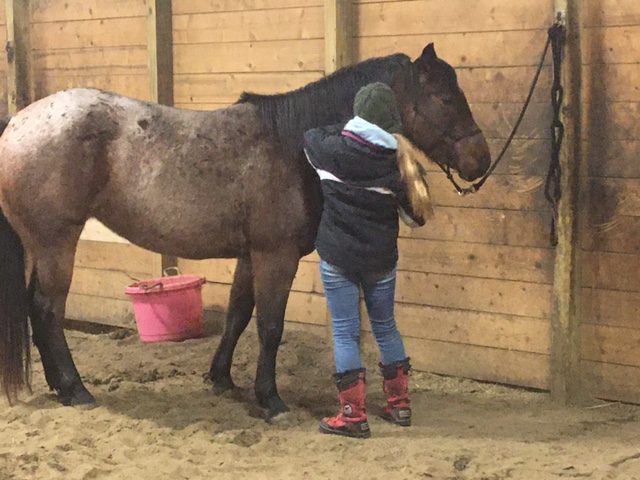
My oldest is a talented horsewoman, much of her curriculum is horse-influenced. She has a business that allows her to make money to fund her horse projects. She works with mentors and trainers to improve her skills, train her horses, add competitions, and increase her knowledge. At this point, she is far and above any knowledge her mother has and her knowledge is growing exponentially. Motivation is high when she knows she can ride and practice when her school and household chore responsibilities are completed. And not just complete, but done well. We also use what she teaches her horses to drive home points about her own education.
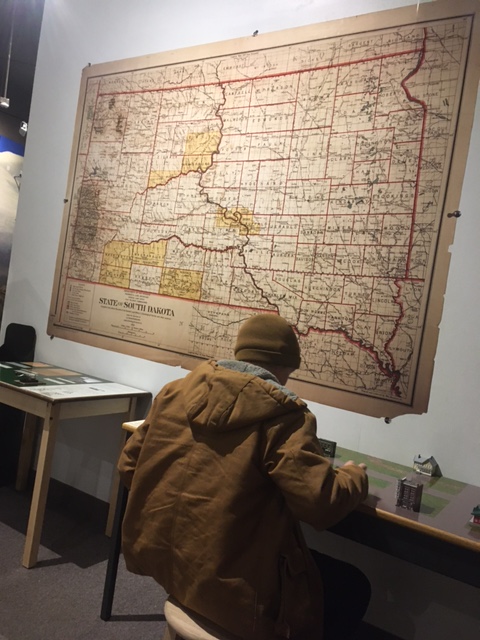
My middle child is a historian, loves history and maps and anthropology. Using this passion and pursuit as a springboard to learning has brought us a lot of random facts, but also a student who has not only a college-level reading ability, but a passion for learning.
The youngest did not want to read. At all. And nothing would convince her. This child has always marched to the beat of her own drum. Always. So I was patient. She developed an interest in dairy goats and wanted to learn more about them. I bought a subscription to a goat magazine and she poured over the first issue, wanting me and everyone else to read the articles and captions to her. We were all too busy with our own reading material to read about goats, so she had to start reading it herself. When mothers of littles ask me what curriculum I used to teach her to read, I say, “Dairy Goat Journal!”

Go Places and Do Things!
One of the surest ways to sow seeds of interest or build on them is to travel. Go places and explore – even if it is just the local park or nature area. Find tracks and investigate. Collect leaves and try and name the trees. Take photos of flowers and plants and build your own identification book. Eat new foods, do a taste test. I have a friend that when she gathers with her extended family for holidays, they always do some sort of taste test of products – the last one was vanilla ice cream. They set up a blind taste test and compile the results with both qualitative and quantitative data. Explore your local resources, start with your library. Turn your kids loose in the library and don’t censure their book choices. Let them select whatever books look good to them. Make a mental note of those topics and build on those interests.
What If The Interest Runs Out?
Take a breath, parent. It’s okay. It’s okay to come to the end of an interest. Just as the start of the pursuit of knowledge should be encouraged, so should the end. The end of their interest means they have satisfied all of their curiosity on that topic. Resist the urge, please, to remind your child about all the money you spent on scale dinosaur models or horse riding lessons. Instead, offer your encouragement of their learning, the time they put in, the skills they learned, and fun they had. Remember, we are teaching them how to learn and to enjoy the pursuit of knowledge. Ask them “What’s next for you? What are you curious about?” And then you are off on another quest for knowledge.

Annie’s Advice: Let your students scratch that itch!
 annie white carlson